


The psychological effects of gambling on decision-making processes
The Nature of Decision-Making in Gambling
Decision-making in gambling often involves a unique interplay of cognitive processes, emotions, and biases. Gamblers frequently face choices under conditions of uncertainty, where the potential for significant rewards can cloud judgment. This environment can lead to impulsive decisions that prioritize immediate gratification over long-term considerations. For instance, a gambler might continue betting despite previous losses, driven by the anticipation of a substantial win. If you’re seeking reliable advice, check out tennis betting sites to sharpen your strategy, illustrating how emotions can override rational thinking.
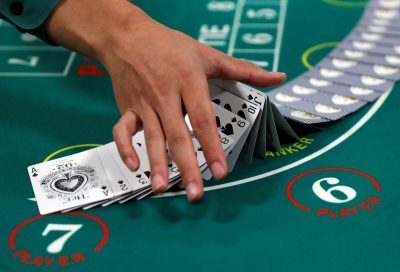
Moreover, the adrenaline rush associated with gambling can further distort decision-making. This physiological reaction, often described as a “high,” reinforces the desire to take risks. As players experience this thrill, they may become more susceptible to cognitive biases, such as the illusion of control or the gambler’s fallacy, which can skew their understanding of probabilities. These biases can lead to flawed decision-making strategies, ultimately affecting their financial outcomes.
In essence, the nature of decision-making in gambling is complicated by the emotional and psychological factors that come into play. The unpredictability of outcomes can lead individuals to make choices that they might not otherwise consider in a more rational context. Understanding this dynamic is crucial for recognizing the broader implications of gambling on cognitive functioning and behavior.
The Influence of Cognitive Biases
Cognitive biases play a significant role in how individuals approach gambling, often leading to irrational decisions. One prevalent bias is the illusion of control, where gamblers believe they can influence outcomes that are purely based on chance. For instance, a player may feel they can predict the outcome of a game or manipulate the odds through their actions, which can lead to a false sense of security in their betting strategy.
The gambler’s fallacy is another common cognitive distortion that can affect decision-making. This fallacy is the belief that past events influence future outcomes in a random game. For example, if a particular number hasn’t come up in a roulette game, a gambler might feel it is “due” to appear soon, leading them to make decisions based on flawed reasoning. These biases can result in prolonged gambling sessions and increased financial losses.
Recognizing these cognitive biases is essential for developing healthier gambling habits. By acknowledging that these mental shortcuts can lead to poor decision-making, individuals can work to mitigate their effects. Techniques such as self-reflection and seeking external perspectives can help gamblers evaluate their choices more critically and reduce the likelihood of falling prey to these biases.
The Role of Emotions in Decision-Making
Emotions significantly shape the decision-making processes in gambling, often leading individuals to act impulsively rather than thoughtfully. The excitement of winning can trigger feelings of euphoria, while losses can evoke frustration or despair. These emotional swings can create a rollercoaster effect, influencing the gambler’s choices in ways that are often counterproductive. When feeling elated, a gambler may place larger bets, while during periods of loss, they might chase their losses by betting more, hoping to regain what was lost.
This emotional rollercoaster can create a cycle of behavior that is difficult to break. As gamblers continue to engage in this behavior, their emotional state can dictate future decisions, leading to a detrimental pattern. For example, an individual may find themselves gambling more frequently during high-stress periods, as they use gambling as a coping mechanism, further complicating their decision-making processes.
Ultimately, understanding the role of emotions in gambling decision-making is critical for those seeking to maintain control. By developing emotional awareness and implementing strategies for emotional regulation, gamblers can improve their decision-making processes. This awareness can help them recognize when emotions are influencing their choices, allowing for more rational and considered decisions in the future.
The Social Context of Gambling
The social environment surrounding gambling can have profound effects on decision-making. Gamblers are often influenced by the behaviors and attitudes of those around them. Social dynamics, such as peer pressure or the desire to fit in, can lead individuals to make decisions they might not have considered in isolation. For instance, a person might gamble more aggressively in a social setting, motivated by the excitement of the group, rather than their own financial strategy.
Additionally, the normalization of gambling in certain social circles can alter perceptions of risk and reward. When gambling is framed as a common or acceptable activity among friends or family, individuals may feel compelled to participate even if they are aware of the potential consequences. This social acceptance can create an environment where reckless decision-making flourishes, further complicating the already intricate relationship between gambling and decision-making.
To navigate these social influences, it is important for individuals to cultivate a personal framework for responsible gambling. Establishing clear boundaries and having open discussions about the risks of gambling can help mitigate the social pressures that lead to poor decision-making. By fostering a culture of accountability and awareness, gamblers can better protect themselves from the pitfalls of the social context in which they engage in gambling activities.

Exploring Responsible Gambling Resources
Understanding the psychological effects of gambling on decision-making is essential for fostering healthier gambling habits. With the increasing popularity of various gambling platforms, resources for responsible gambling are more accessible than ever. These resources provide valuable information on recognizing unhealthy behaviors and developing strategies for making better decisions while gambling. Many organizations offer tools such as self-assessment questionnaires, tips for managing gambling activity, and support networks for individuals struggling with gambling addiction.
Moreover, various websites are dedicated to educating gamblers about the psychological aspects of their behavior. These platforms often feature articles, guides, and expert advice on how to maintain a balanced approach to gambling. By leveraging these resources, individuals can enhance their understanding of the mental and emotional factors that influence their decisions, leading to more informed and responsible gambling practices.
In conclusion, as awareness of the psychological effects of gambling on decision-making processes grows, the availability of resources continues to expand. By utilizing these resources, gamblers can cultivate a healthier relationship with gambling, ultimately improving their decision-making skills and reducing the risk of addiction. Prioritizing education and responsible behavior is key to enjoying gambling as a form of entertainment rather than a detrimental habit.
